Media Literacy for a Fractured Public Square
The Social Institute for Media Literacy (SIML) exists to help people understand how media shapes perception, public understanding, and democratic life.
Modern societies are saturated with information. Headlines, social media feeds, news reports, political messaging, advertising, algorithms, and cultural narratives continuously influence how people interpret reality. Most of these influences operate quietly, often before they are consciously recognized.
SIML was created to make these processes visible.
Our purpose is not simply to help people identify misinformation. It is to help people understand how information itself is constructed, framed, distributed, and made persuasive.
SIML serves as a bridge between scholarship and public understanding.
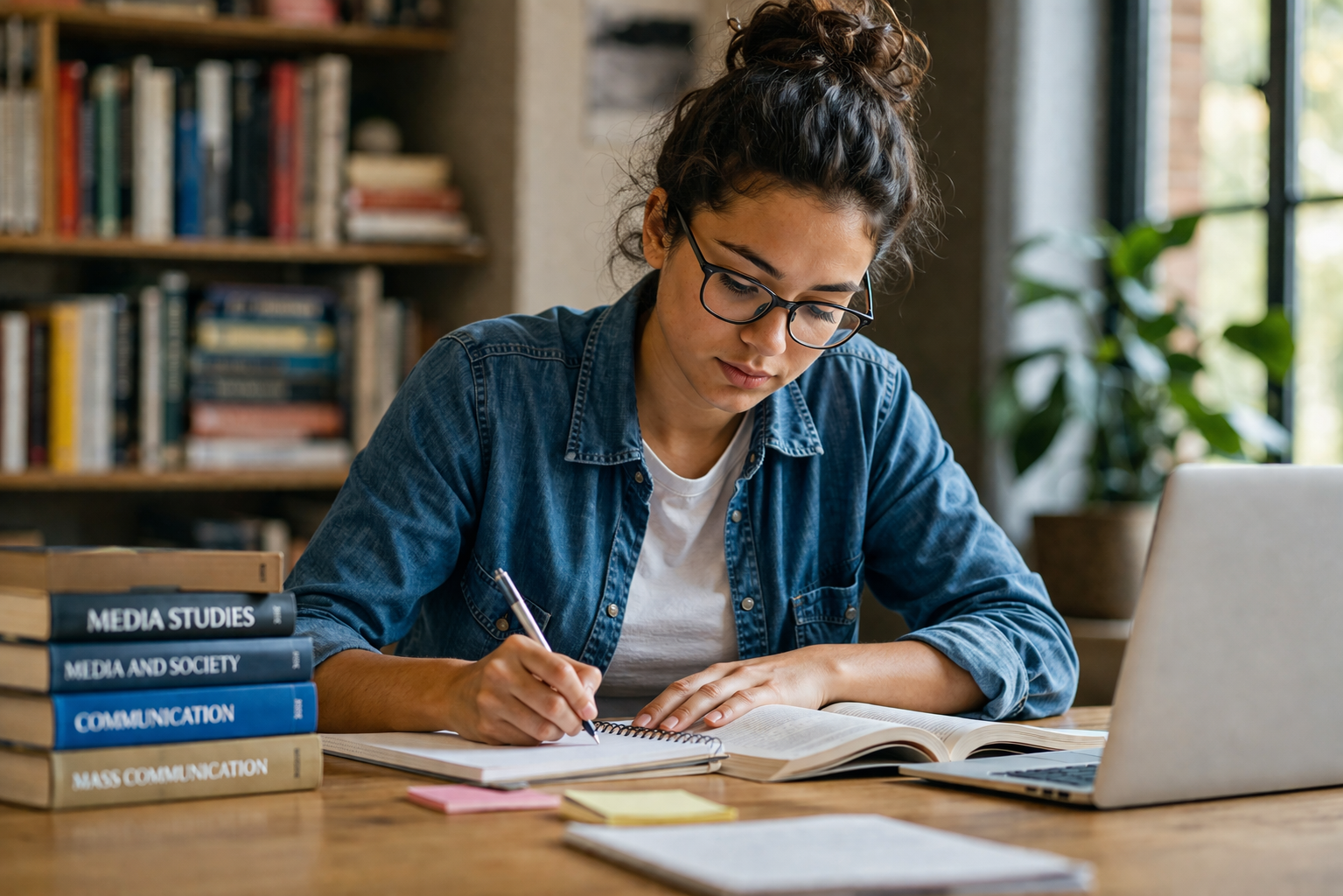
We translate research from communication studies, media theory, psychology, sociology, political science, rhetoric, and education into practical tools that people can use in everyday life.
Our work focuses on helping learners:
Media is more than content. It includes the institutions, technologies, incentives, and distribution systems that shape what becomes visible and what remains hidden.
Every message is designed to influence perception in some way. SIML teaches people how language, framing, imagery, repetition, and emotional cues affect public understanding.
Critical awareness means learning to examine assumptions, identify omissions, and question the structures that make certain interpretations appear natural or inevitable.
Democracy depends on citizens who can evaluate information, engage in discussion, and make decisions based on thoughtful interpretation rather than reaction alone.
SIML views media literacy as essential civic infrastructure.
Roads connect communities. Schools develop knowledge. Libraries preserve understanding.
Media literacy helps citizens navigate the information systems that shape public life.
Without the ability to interpret media critically, democratic institutions become vulnerable to manipulation, polarization, and misinformation. With stronger media literacy, communities gain greater capacity for dialogue, cooperation, and informed participation.
We envision a society where media literacy is treated as a fundamental public skill.
A society where:
Our goal is not to tell people what to think.
Our goal is to help people understand how thinking is shaped.